Hybrid edge integration architecture and migration governance
Designed the target architecture and planned the rollout of a hybrid integration. Steered the move off the old middleware across several technology and delivery partners.

Integration is like a poem. Its power comes from meaning and structure. A poem follows a form: rhythm, meter, lines. And that holds regardless of whether it is written on paper, in Word or in OpenOffice. Integration works the same way: every day we rely on patterns that have carried for more than twenty years, consciously or not. What matters is the architecture, the rules and the quality of the connections. Not the vendor. Not the tool.
Designed the target architecture and planned the rollout of a hybrid integration. Steered the move off the old middleware across several technology and delivery partners.
Technical leadership of the integration, governance and compliance of the processes, plus advice for the international rollout teams.
Introduced cloud integration, event mesh and API management, and connected the core systems for product, sales, people, PLM and logistics.
A current excerpt from a much wider set of engagements.
05 / THINKING
Integration is forgotten in transformation projects surprisingly often. A new tool gets selected, the budget approved, the go-live scheduled — and only late in the game does someone ask the decisive question: How does this system actually fit into the existing landscape?
At that point an architecture task turns into a pressure situation. Shortly before the planned go-live, data flows have to be clarified, interfaces built, security requirements met and responsibilities negotiated. Under time pressure, interim solutions emerge — and far too often they become permanent.
Those who plan integration last turn architecture into crisis management.
That is why I like to be part of the decision process early. Before a product is chosen or a date is promised, we clarify together which processes are affected, which data flows, which systems remain leading, and what operations, security and governance require.
This makes dependencies visible, lets effort and risk be assessed realistically, and turns the necessary integration work into a reliable part of the overall plan. That protects more than the go-live. It creates an architecture that still carries after the project ends.
The best integration team is not the one that reacts fastest right before launch. It is the one that is also at the table early enough.
Robert Fels


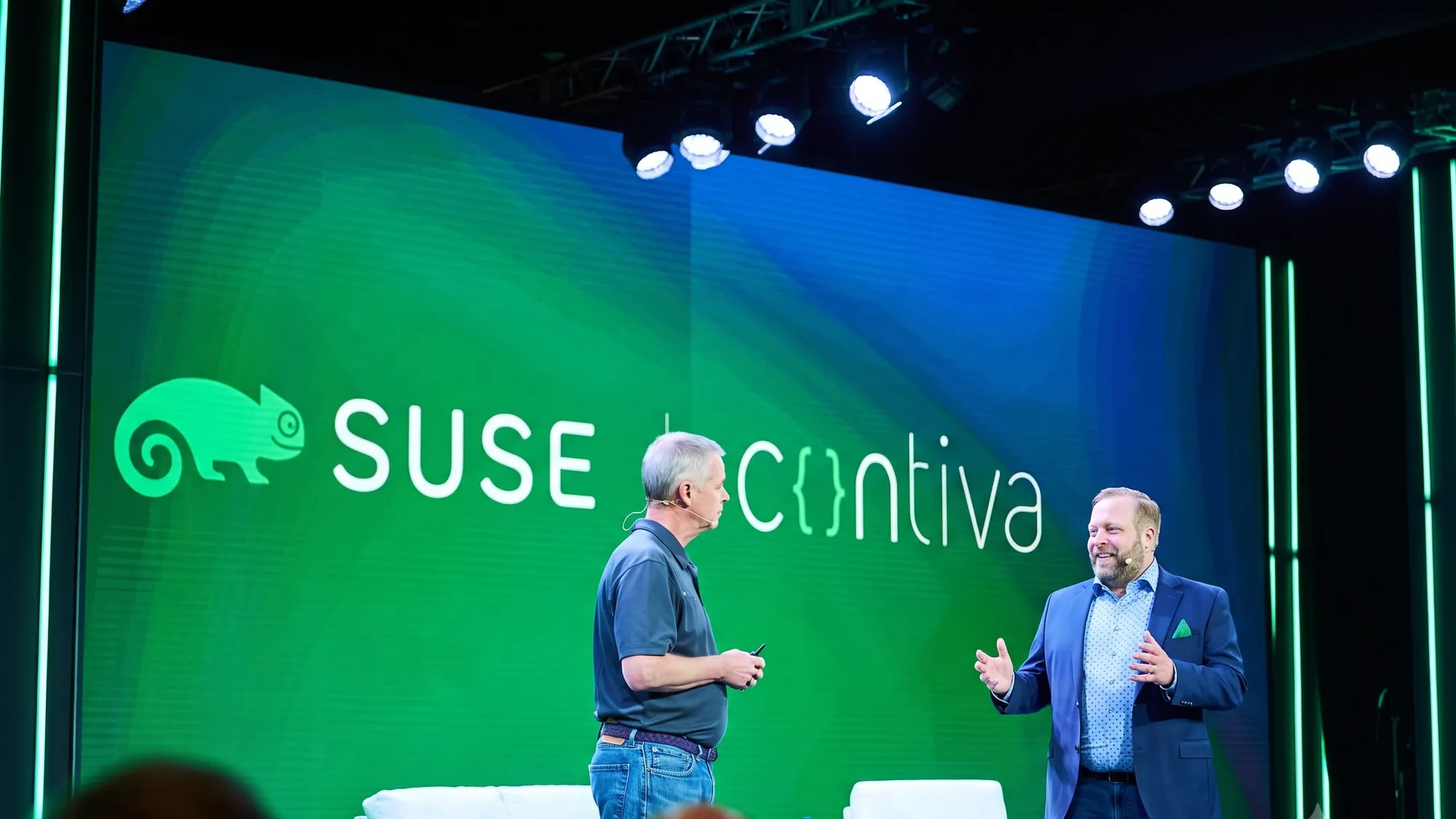
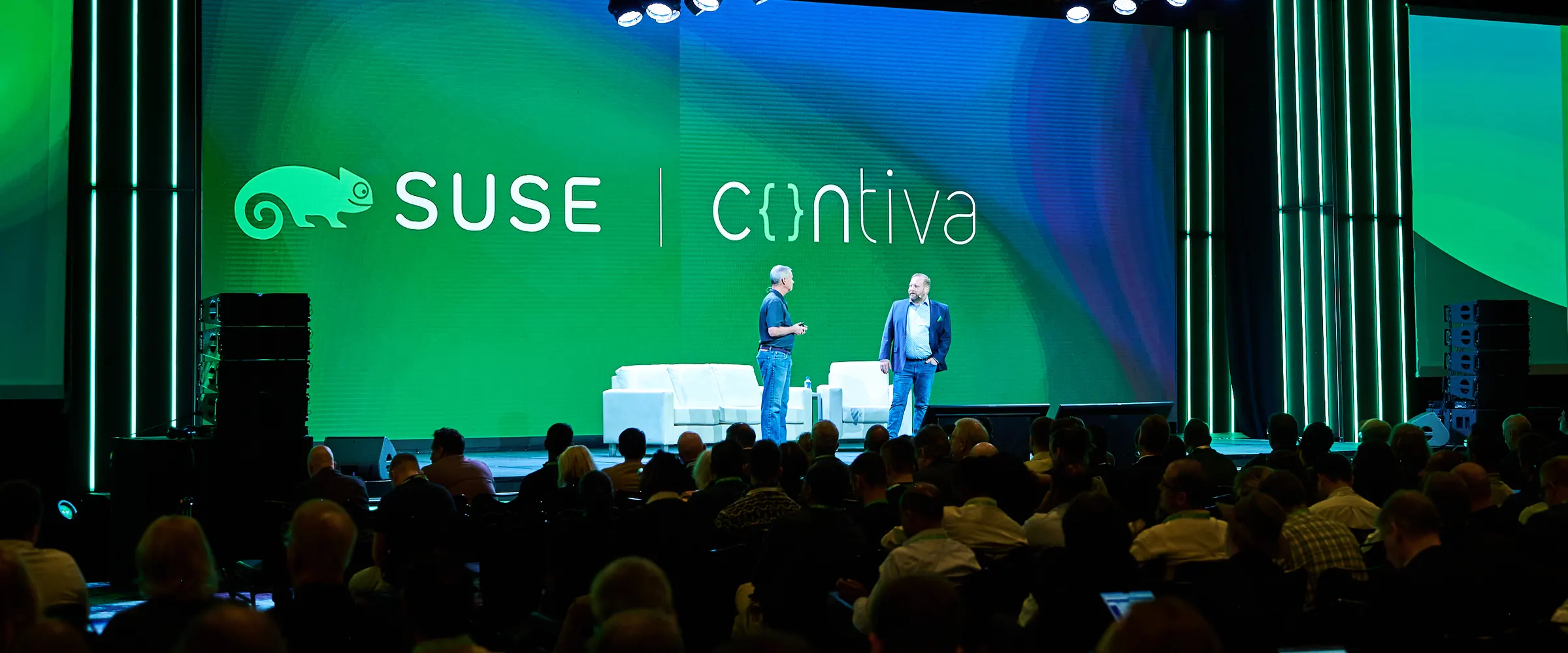
Hybrid integration with the SAP Edge Integration Cell on SUSE Rancher, drawing on experience from customer migrations.
Session at SUSEContribution to the product launch on the main stage; the accompanying SUSE announcement quotes Robert Fels on hybrid integration.
SUSE announcementA sharp assessment of your architecture, in writing.
I lead the integration for as long as the programme runs.
Talks, advisory board work, 1:1 counsel.

What began in 2000 with web development and e-commerce led to SAP integration in 2007. In 2009 came responsibility as partner and Head of Integration at Tuleva. In 2014 came the founding of Contiva GmbH, and in 2026 joining the management board at QUIBIQ.
Today Robert Fels works as an integration architect, consultant and engineer on complex systems in manufacturing, retail, medical technology and the public sector. His focus: automation, integration, IT security and AI management.
As a certified Information Security Officer and AI Coordinator he connects integration with information security and responsible AI management.
ROBERT FELS ON LINKEDIN1,800+ FOLLOWERS
Integration · Architecture · Governance · Leadership
Insights from day-to-day work on architectures. Clear perspectives on integration and ideas for technical responsibility at executive level.
Good architecture starts with the right question.
Pick an open slot right here on the site.